Conose PH
A hyperlocal discovery app that helps people find verified businesses, new places, deals, reviews, and nearby experiences in Zamboanga, all in one place.
 conose
What it is
Conose is a hyperlocal discovery app for Zamboanga City. The name comes from the Chavacano word for conocer, “to know”, and the idea is simple: help people know their own city. Newly opened places, verified businesses, real deals, reviews from neighbors, and nearby experiences, all in one place instead of scattered across social media posts and outdated map listings.
People browse a live map of the city, search and filter by category, open a listing to see photos, menus, hours, contact details, and reviews, save places to lists, and claim deals that they redeem through a QR check-in at the counter. Every check-in, review, and photo earns “Bloom” points that turn into vouchers and badges. On the other side, businesses get a portal to be found and to publish their deals. The app is available in English, Filipino, and Chavacano.
Why I’m building it
I grew up in Zamboanga, and I kept noticing the same thing: new places would open and it would take weeks before anyone outside the neighborhood knew about them. The big map platforms are slow to catch up here, and most local discovery still happens by word of mouth. I wanted to build something for my own city first, with the local context baked in, rather than another generic directory.
It is also the first product where I own everything end to end: the product decisions, the design, the mobile app, the backend, the infrastructure, and the launch. After years of working on other people’s products, that felt like the right next step.
Architecture
The backend is a Go modular monolith with a hexagonal, bounded-context layout. Each context (listings, deals, reviews, rewards, and so on) owns its domain logic
and talks to the outside world through ports, so the infrastructure adapters (Postgres, S3, EventBridge) can be swapped without touching the core.
The same binary runs as a single ARM64 AWS Lambda behind API Gateway and CloudFront in the cloud, and as a plain net/http server locally,
which keeps the development loop fast.
The mobile app is Flutter with a feature-first Clean Architecture layout, Riverpod for state, and an offline read-through cache so the map and listings still work on a flaky connection. The API contract is an OpenAPI spec in a shared package, and both the TypeScript client for the web and the Dart client for the mobile app are generated from it, so the three sides never drift apart.
The pre-launch marketing site and the admin CMS are React on Vite, with MapLibre GL and OpenFreeMap for the interactive 3D map of the city, and a small Rust Lambda handles the waitlist. Everything is defined in Terraform with separate staging and production environments, and I chose Neon’s serverless Postgres and Lambda on purpose: the bill should stay close to zero while the app is still finding its first users.
Tech stack
- Backend: Go, chi, pgx, AWS Lambda (ARM64), API Gateway, CloudFront, EventBridge, S3, Neon Postgres
- Mobile: Flutter, Riverpod, go_router, Drift, MapLibre GL, generated Dart API client
- Web and admin: React, TypeScript, Vite, Tailwind, MapLibre GL JS, OpenFreeMap, GSAP
- Waitlist: Rust on AWS Lambda
- Infra and tooling: Terraform, GitHub Actions, pnpm monorepo, OpenAPI codegen
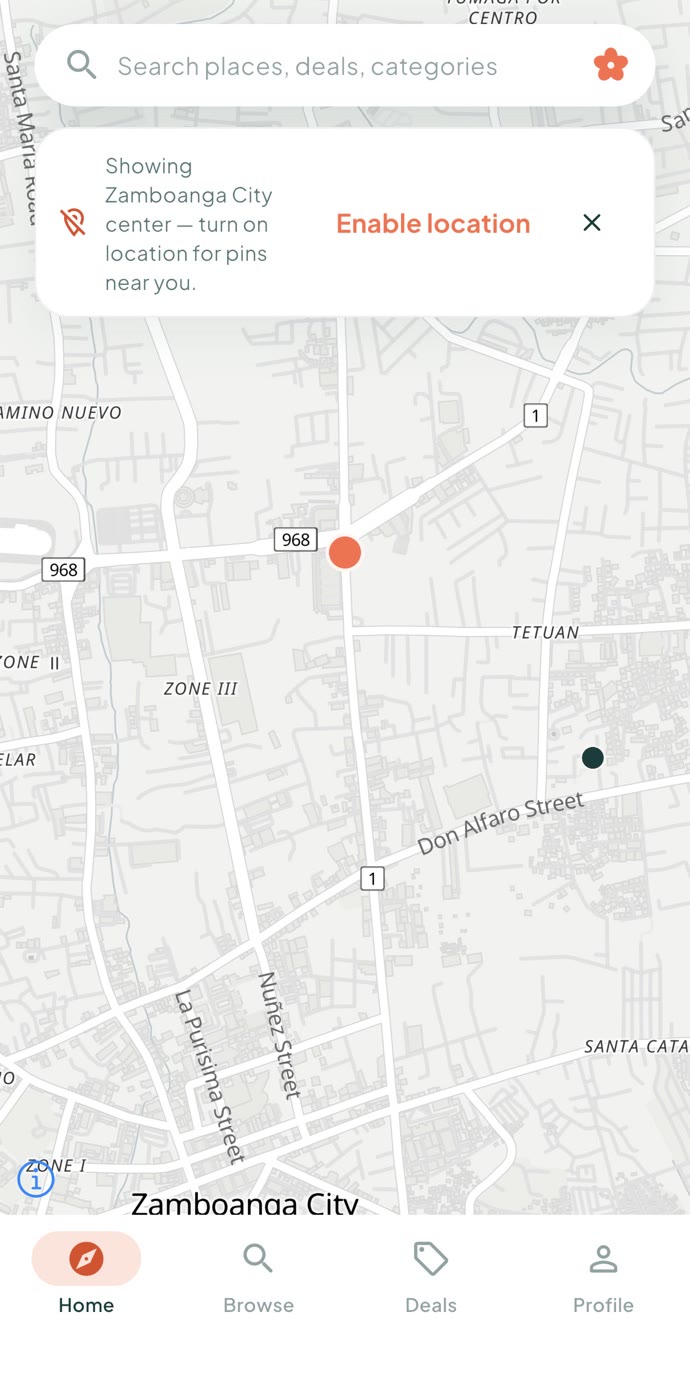
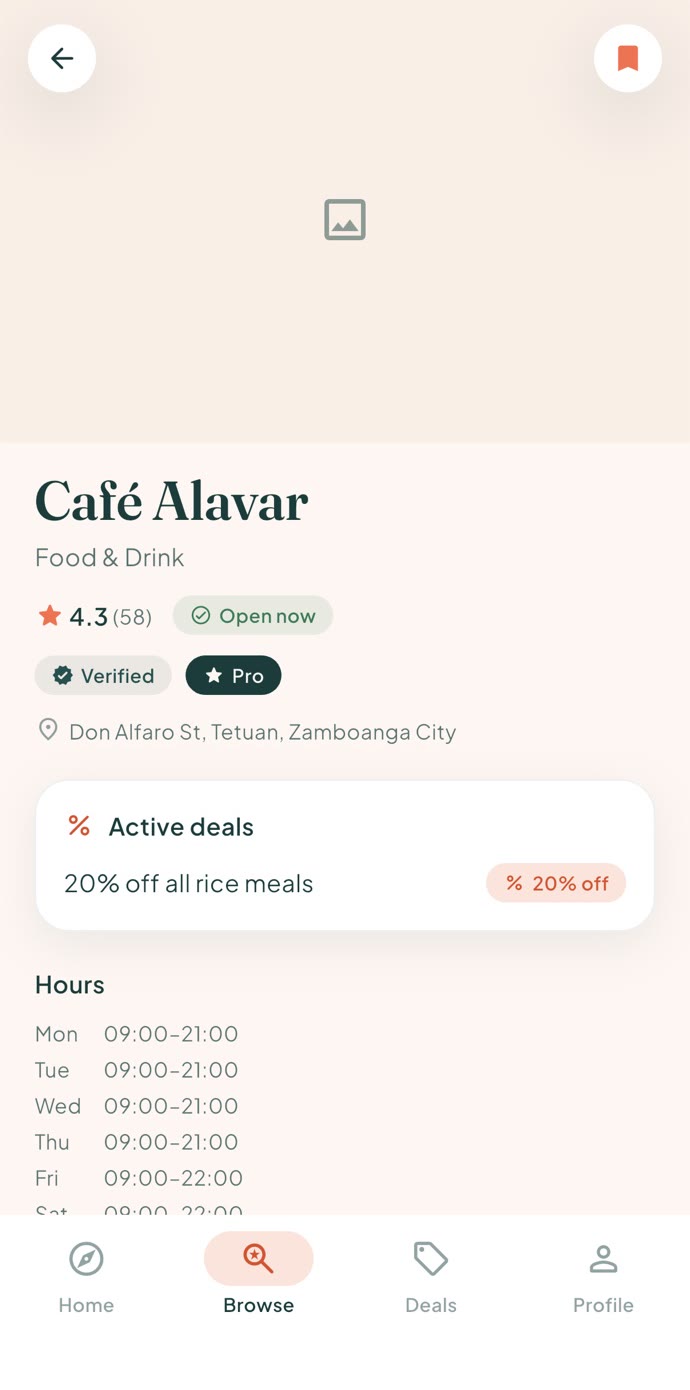
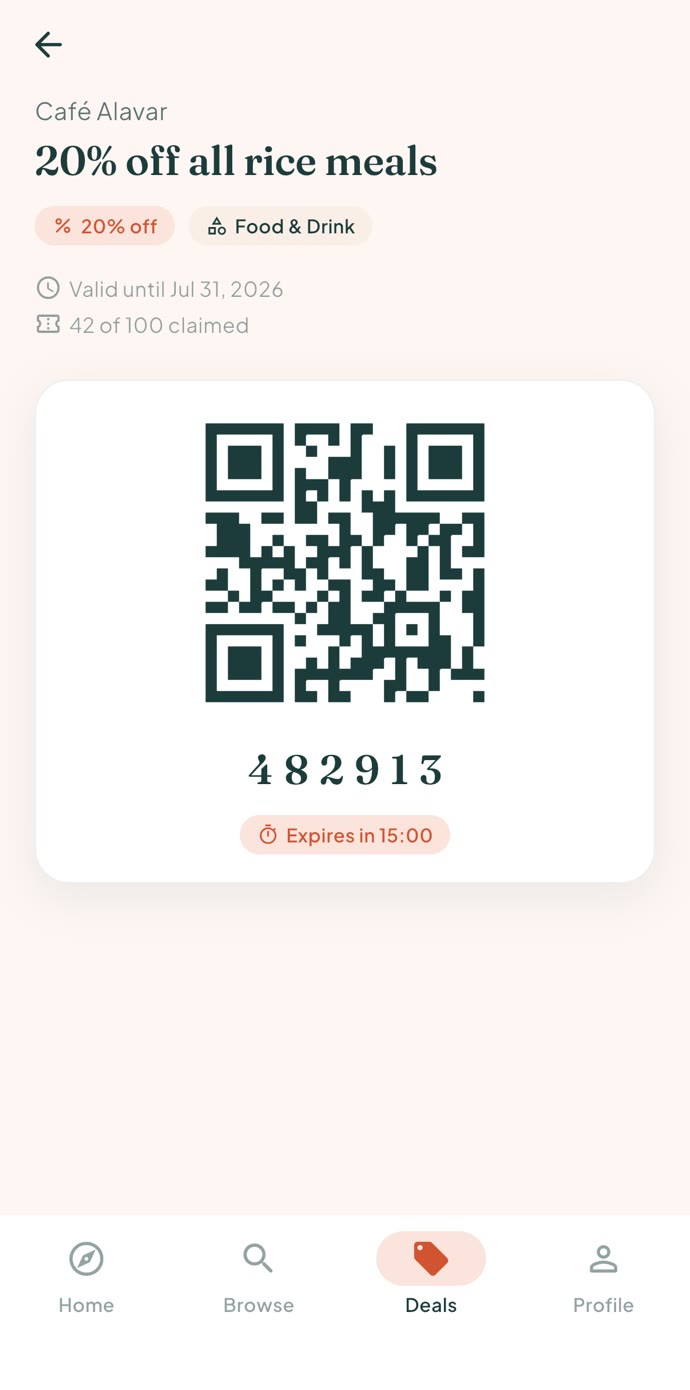
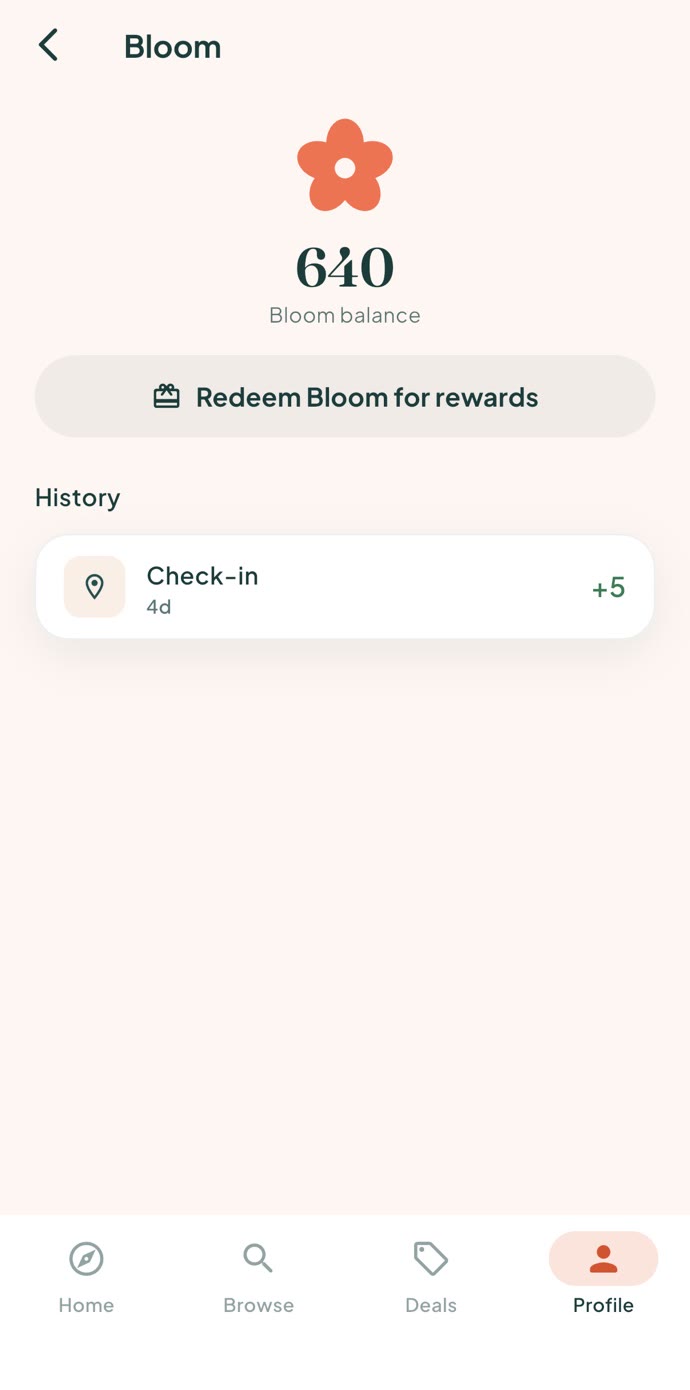
The pre-launch landing page at conose.ph
Where it stands
Conose is still pre-launch. The landing page collects two waitlists, one for explorers and one for businesses, and I’m working through the remaining product and QA work before opening it up to the city in 2026. If you’re from Zamboanga, I’d love for you to join the waitlist.